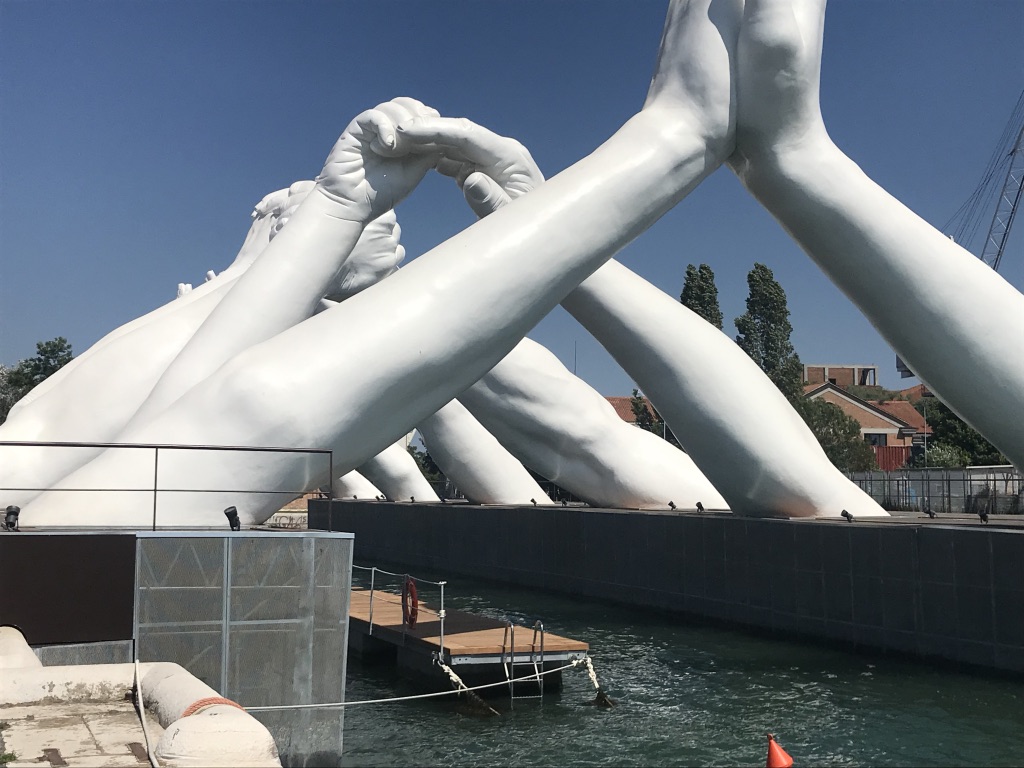
I’ve been thinking a lot about powerlessness over the past few weeks.
- My inability to control other people’s actions that profoundly effect my world and wellbeing ranging from absurd to more substantive:
- Fireworks shot off at random intervals at 12:30AM, 2:30AM that awaken me with terror from a dead sleep. Every night for the past two weeks has had a cumulatively draining effect.
- The rise of positive cases in Los Angeles and the quick shuttering of beaches and bars that threaten months of planning for the fall return to classes
- The death of the colleague who was responsible for bringing me to my job and mentoring me with all his heart before retiring
- A sudden and dramatic loss of leadership due to a thoughtless decision made over a decade ago
- The diabolical manipulation of hatred and fear by a flailing incumbent president as a last ditch effort to elicit rightward votes when the country is so clearly signaling left
It doesn’t seem fair. Over the past several weeks, I’ve listened to the painful and heartfelt cries of others who feel equally powerless in the face of fears.
- Fears about the dangers of getting sick from this virus, especially as we learn more about the long term debilitating effects of it. Meanwhile, we listen to our president cavalierly imply that the worst is behind us, conflicting with his health officials’ scientific data.
- Fears that a culture of exclusivity and racism will continue unchecked, unnoticed.
- Fears that no one is thinking hard about what we need to return to our work safely.
- Fears that if they are thinking about it, the news isn’t getting communicated fast enough to the end user. (I really get this one, from a position of privilege in terms of seeing the extent of the planning and work and knowing the stakes for properly communicating it to everyone involved. It is a slow and careful process that has been happening, even if you haven’t heard about it.) Which I acknowledge makes one feel powerless.
One of the things that has made me feel most powerless lately is combatting the seemingly entrenched idea that people aren’t willing or worse, can’t change, or think, or evolve. It is imperative right now that we find a way to overcome this assumption.
As I wrote in my last post, we are nothing if not adaptable. We are thinking about, planning, checking our plans, thoughtfully crafting our teaching around all of the things that we have all learned just in the past twelve weeks. The capacity to change, to listen, to adapt is one of the things that makes us educators. We are intellectually curious, emotionally alert, and committed to our students: theirs and our learning. We know that the spring online experience our students had was cobbled together and fell far short of theirs and our expectations. We have taken many pains to correct that for the next semester, supported financially by the school’s administration, the University, and the Center for Excellence in Teaching.
As a white professor nearing the “susceptible age,” I feel as though I am perceived as intransigent, uncompromising, as though made of the same bronze that some of the odious symbols of the confederacy are made of. I stand on a metaphoric plinth waiting to be hauled over and smashed into a thousand pieces to the cheers of surrounding onlookers. And maybe it is time for me to cede my spot to the next generation. But I beg you to ask yourselves: do you think we aren’t always thinking about what is good for the school in terms of planning and succession and making sure the next generation of educators who replace us aren’t better equipped to mirror and mentor the pluralism we all aspire to? Please, credit us with thinking the same deep, complicated, rich, hopeful, optimistic and worrisome things that you yourselves are thinking. This is called generosity. And I know it is hard to feel generous when you are feeling wounded, or frightened or wronged. But that is exactly when we need to exercise that muscle.
I’m just hoping for some generosity. Some credit. Some trust. It’s natural to lash out when you feel powerless. We all feel powerless right now. This is an unprecedented time that requires us to stretch our imaginations, our hearts, our vision, our commitment to the education of the young people in our charge with passion and rigor and humanity. And for them to stretch along with us and credit that we have their best learning outcomes in mind. I’m trying to apply the first rule of stage management to not take things personally (when I think about the things that are “happening to me.” )
If I return to my list above,
- No one is setting off those fireworks knowing they are ruining my night’s sleep. On the contrary, at the close of each spectacularly disruptive series, there are cheers of appreciative onlookers.
- The apparent thoughtlessness of people going out with masks is not to cramp my style but an attempt by many to overcome just this powerlessness I’ve talked about. People are feeling caged, and seek the freedom that unfortunately is not possible for us to find right now by taking off our face coverings.
- From my colleague’s passing I understand that life is sometimes ironically cruel and painful and I vow to leave myself with enough time to enjoy my life both while I work and in retirement.
- Powerful people sometimes make mistakes. Responsible people make the right decisions in the wake of their mistakes.
- Okay, I admit that I can’t find anything redeeming to say about the last one. This was a blatant exploitation to rally the worst of people’s fears. Sorry, my liberal lens is really obvious, my generosity limited.
I’ve been hiking a lot of late. Getting out with friends and breathing (through my face covering) and moving my body and mind in beautiful spaces around Los Angeles. It goes a long way toward helping me to feel mastery over myself and contentment. I urge you to do the same, wherever you are.


Leave a Reply